
Wedding and Formal Durag Styling: Dressed Up, Never Dressed Down
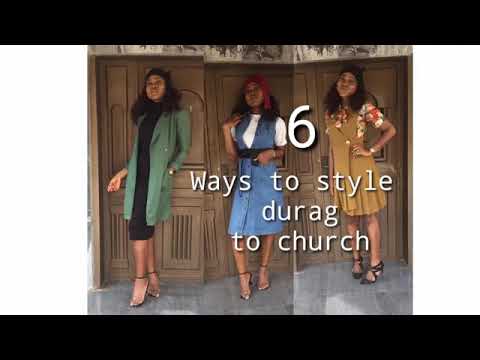
The durag at a formal event is a statement either way — the only question is whether it says what you intended. Worn carelessly, it reads as an afterthought. Styled deliberately — the right fabric, the right colour, a tie so clean it looks tailored — it reads as confidence and culture in one move. HOUSE OF FAIRSHA (@houseoffairsha5665) shows dressed-up durag styling in the video below; this guide covers the decisions that make a formal look land, from weddings to church to black-tie rooms.
Fabric and colour: dress the durag like the outfit
Formal settings reward the same rules as formal clothing: dark, rich, and quiet beats loud. Black, deep navy, burgundy and charcoal silkies pair with suits the way a good tie does. Velvet earns its place in evening settings — its matte depth reads formal where a shiny silky can read sporty. Leave the neon, the prints and the team colours for daytime; a wedding photograph lasts forever, and classic outlives trendy in every album.
Match the durag to the outfit's accent, not its base. A burgundy durag against a black suit with a burgundy pocket square looks planned. A durag that matches nothing looks borrowed. If you wear a tie or bow tie, echo its colour family and you will look styled by someone — even when that someone is you.
The tie: formal means flawless
At a formal event, your tie technique is on display for hours and in photographs, so run the cleanest version of it: seam out, front edge perfectly level, tails flat and either tucked discreetly or knotted small at the back with the ends lying neat and even. A sloppy tail arrangement that nobody notices at the gym becomes the only thing people see in a group photo.
Decide the tails question before you arrive. Long flowing tails are a look — dramatic, deliberate, very A$AP — but they demand confidence and a room that welcomes them. Tucked or short-knotted tails read more conservative and photograph safer. Neither is wrong; an undecided, half-tucked middle is the only wrong answer.
Reading the room: etiquette that protects the look
Know the setting's expectations before the day. Some churches, venues and families welcome the durag as cultural dress; some ceremonies — certain wedding parties, formal religious services — may expect heads uncovered at specific moments, the same etiquette applied to hats. Checking with the couple or the host beforehand is not weakness; it is how a guest protects both the relationship and the look.
If you are in the wedding party, align with the party's styling the way you would any other accessory. And whatever the room, keep the durag fresh: a formal event is no place for the training durag from last night's session. The formal durag is its own piece of the wardrobe — clean, pressed, and reserved for rooms that matter.
Watch: HOUSE OF FAIRSHA styles the durag for formal occasions — dressed-up looks that respect the room
Video: “6 ways to style durag to church” by HOUSE OF FAIRSHA (@houseoffairsha5665) · Watch on YouTube
Shop the gear
Everything in this guide runs on the right gear: a durag that holds compression without slipping, a cap that stays put, and fabric that treats your hair right. The durag.store launch lineup is built to that standard — dual-layer construction, long tails, and stitching made to survive the routine. Join the launch list and use code GOLDSTANDARD for 15% off your first order.
Keep learning
- Styling a Durag With Outfits: Colour, Fabric and Occasion — Intermediate · Styling & Culture
- Choosing Durag Colours: What Works With Your Skin, Hair and Wardrobe — Basic · Styling & Culture
- Custom Print Durags: Designing, Printing, and What to Check Before You Buy — Intermediate · Styling & Culture
Sources: Video — “6 ways to style durag to church” by HOUSE OF FAIRSHA (@houseoffairsha5665), youtube.com. Guide written by the durag.store Wave Lab.