
Silky vs Velvet Durags: Which Fabric Wins for Your Hair?
Silky or velvet? It is the first real decision in the durag world, and the answer is genuinely 'it depends' — on your hair, your sleep style, and whether the durag is for training or for the fit. Seamade KJ (@seamadekj1683) put the two fabrics head-to-head in the comparison below, and this guide lays out the same comparison in full: how each fabric compresses, grips, breathes, wears, and holds up over months of nightly use.
Silky: the smooth standard
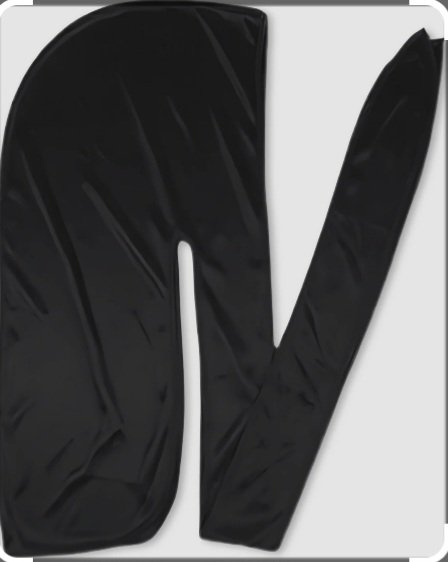
Silky durags — usually a polyester satin weave, despite the name — are the most common fabric in the culture for good reason. The surface is smooth, so it slides over hair without friction or pulling, which protects a trained pattern. The sheen is the best of any fabric, which is why silky is the default for daytime and photos.
The trade-offs: silky is slippery against itself, so knots and tucks loosen more easily on restless sleepers, and the fabric shows its quality clearly — cheap silky stretches out, thins, and loses its edge within weeks. A well-made silky durag with long tails is the best-selling classic because, tied well, it simply works for almost everybody.
Velvet: the grip specialist
Velvet's short pile grips — the fabric holds onto itself and onto your hair, which makes velvet ties stay put through violent sleep and makes the no-knot method far more forgiving. Many wavers swear velvet compresses 'harder' in practice, not because the fabric is stronger but because the tie does not slip and relax overnight.
The costs: velvet is warmer, collects lint visibly (especially black velvet), and the pile can leave the hair looking less glossy on untie. Velvet also reads more premium and matte as a style piece — less shine, more texture. Check out the head-to-head in the video to see how the two fabrics present side by side.
The verdict by use case
For sleep and training, especially if you toss and turn: velvet's grip earns the night shift. For daytime wear, photos, and shine: silky, unambiguously. For hot sleepers and summer: silky again, or mesh — velvet in August is a commitment.
Serious rotations include both: velvet on training nights, silky for the day and for wash-night finishes when the hair is damp and the smooth surface protects the set. Neither fabric is 'better' — they are tools, and now you know which job each one does.
If you can, handle both fabrics before you commit — drape each over your hand and feel the difference in weight, grip, and surface. Fabric preference is partly personal physics: head shape, hair texture, and sleep style all get a vote. One honest touch teaches what a hundred arguing reviews cannot.
Watch: SILKY vs VELVET Durags! Which Durag Is The BEST !!
Video: “SILKY vs VELVET Durags! Which Durag Is The BEST !!” by Seamade KJ (@seamadekj1683) · Watch on YouTube
Shop the gear
Everything in this guide runs on the right gear: a durag that holds compression without slipping, a cap that stays put, and fabric that treats your hair right. The durag.store launch lineup is built to that standard — dual-layer construction, long tails, and stitching made to survive the routine. Join the launch list and use code GOLDSTANDARD for 15% off your first order.
Keep learning
- Mesh Durags Explained: The Breathable Option Nobody Explains Properly — Intermediate · Materials & Fabrics
- Compression Caps Explained: What They Do That a Durag Doesn't — Intermediate · Materials & Fabrics
- The Double Durag Method: Two Layers, Maximum Compression — Intermediate · Materials & Fabrics
Sources: Video — “SILKY vs VELVET Durags! Which Durag Is The BEST !!” by Seamade KJ (@seamadekj1683), youtube.com. Guide written by the durag.store Wave Lab.